Lifeline Systems
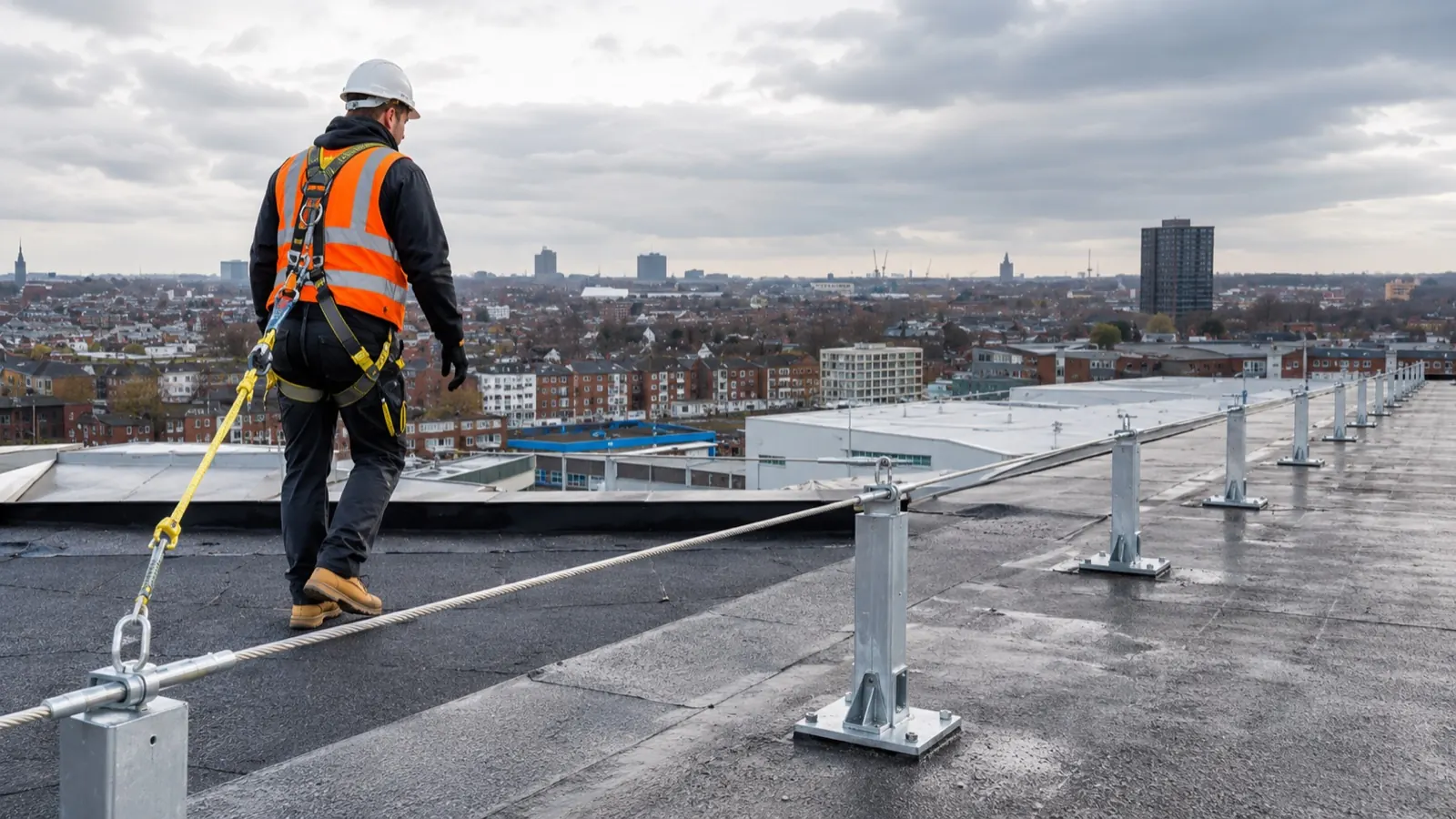
Permanent horizontal and vertical lifeline systems engineered for the building they protect — giving maintenance and construction teams continuous fall arrest on roofs, plant enclosures and elevated structures.
Recent installations and tests
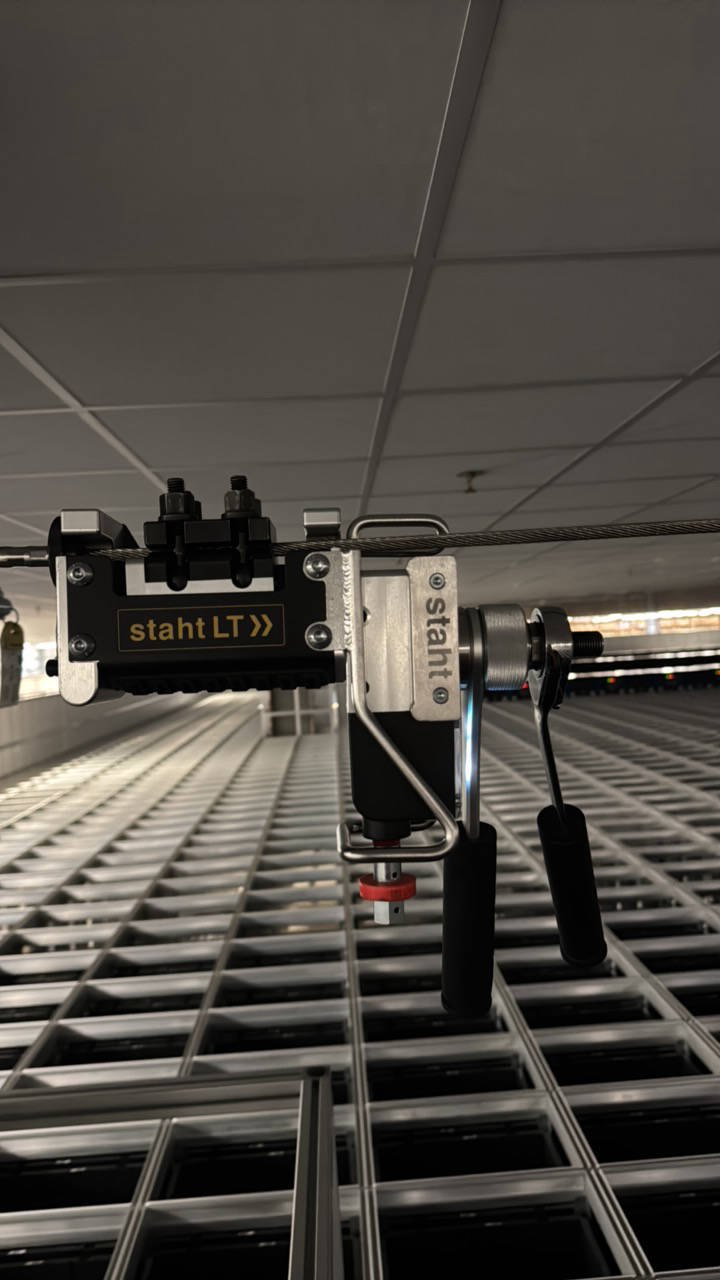
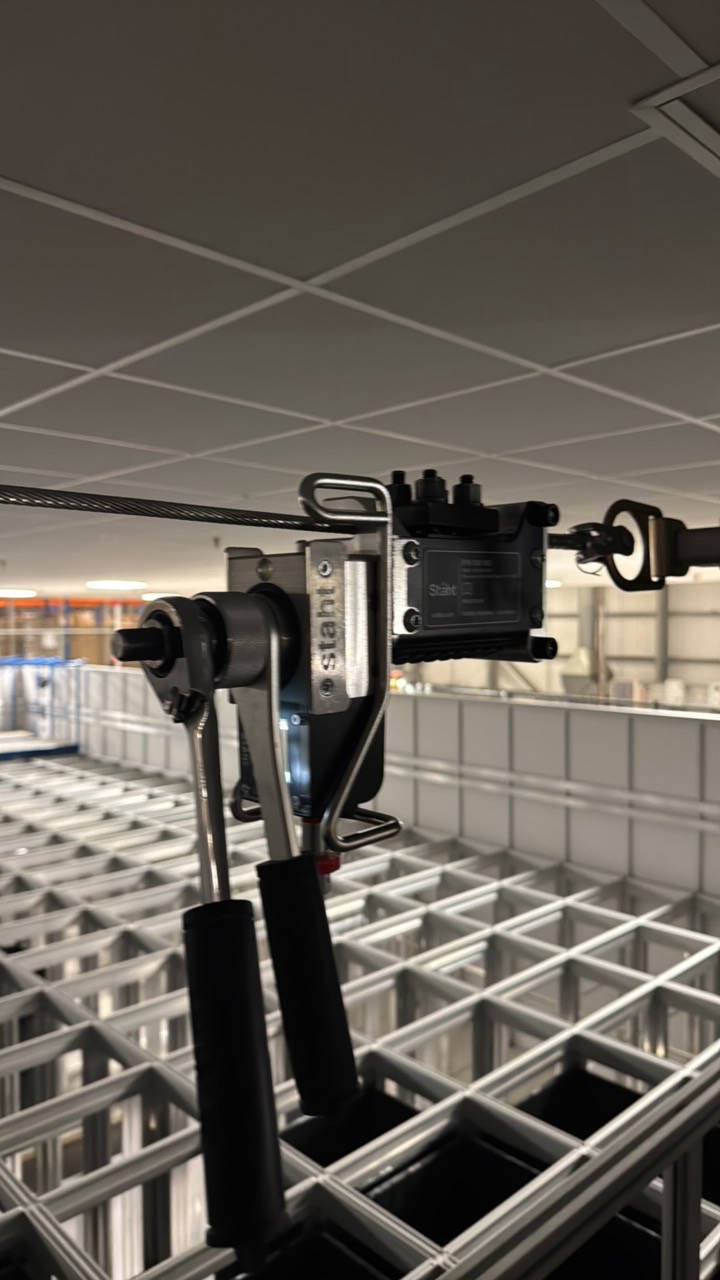
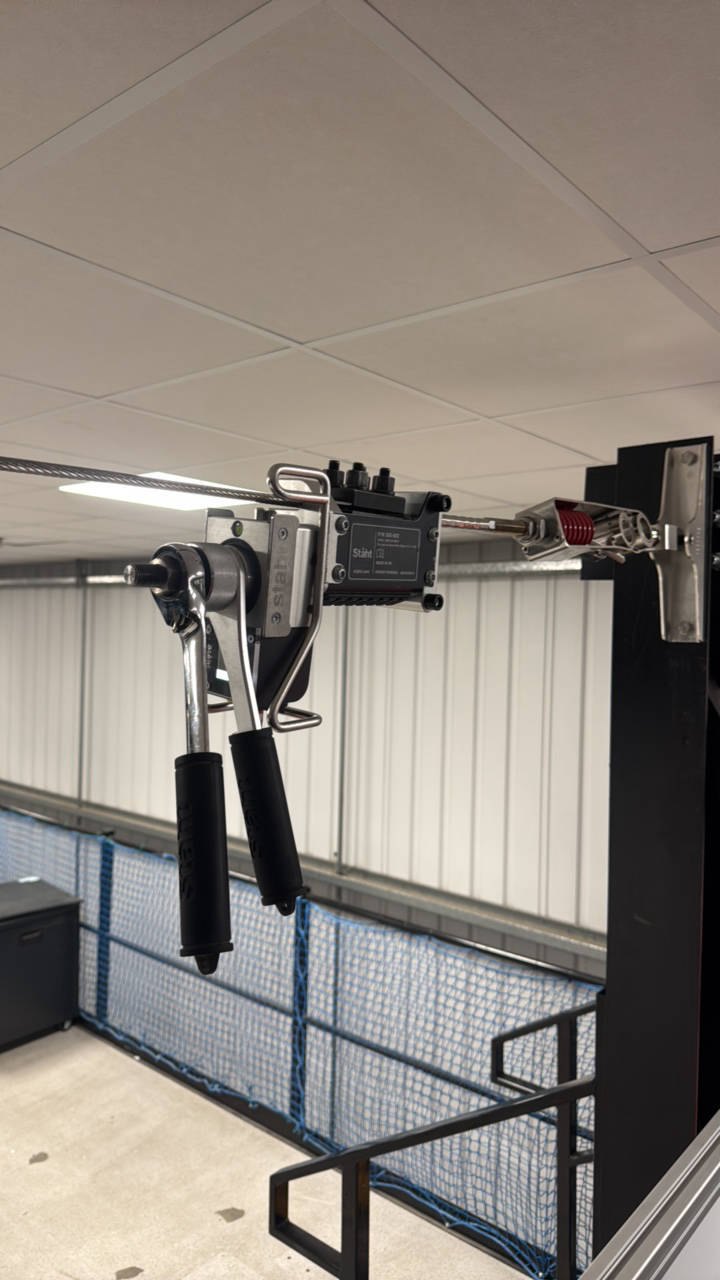
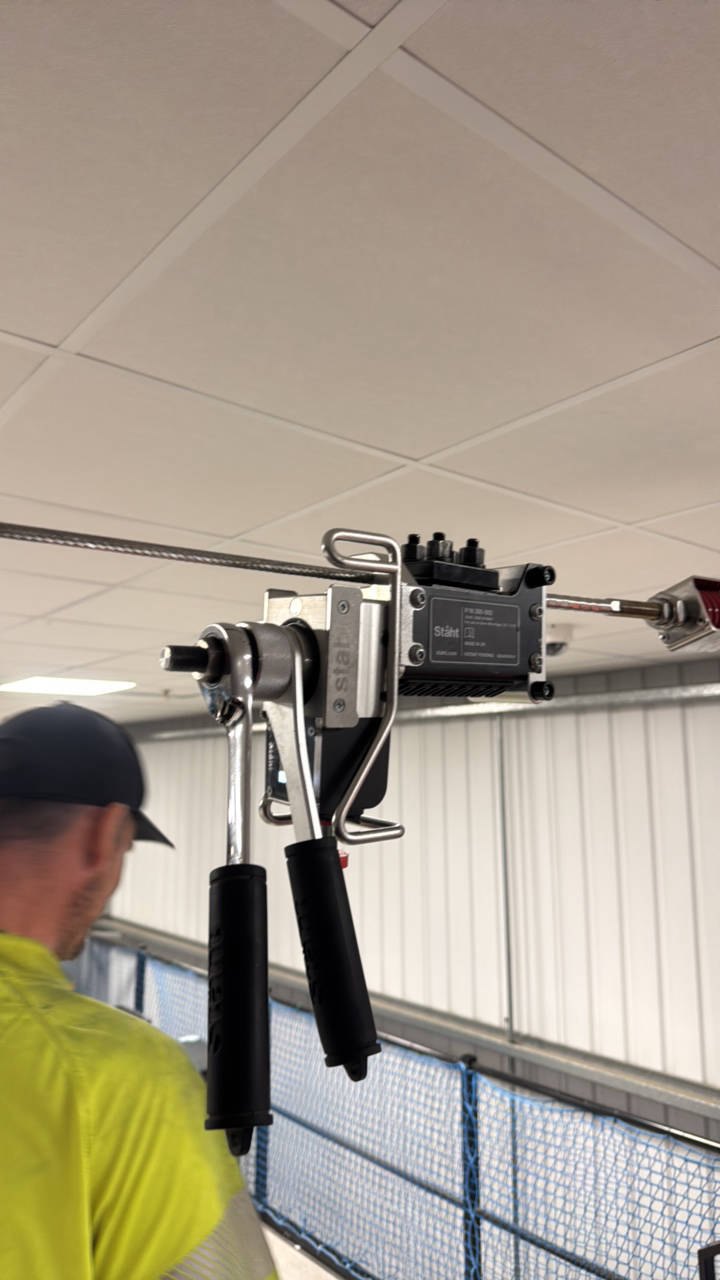
Overhead lifeline line test, Hams Hall
Line test of an overhead lifeline at Hams Hall on 3 October 2026. Terminal end 20.1 kN and tensioner end 20.3 kN, each held for three minutes against a 19.0 kN target. Both ends passed.
Latchway installation, testing and certification
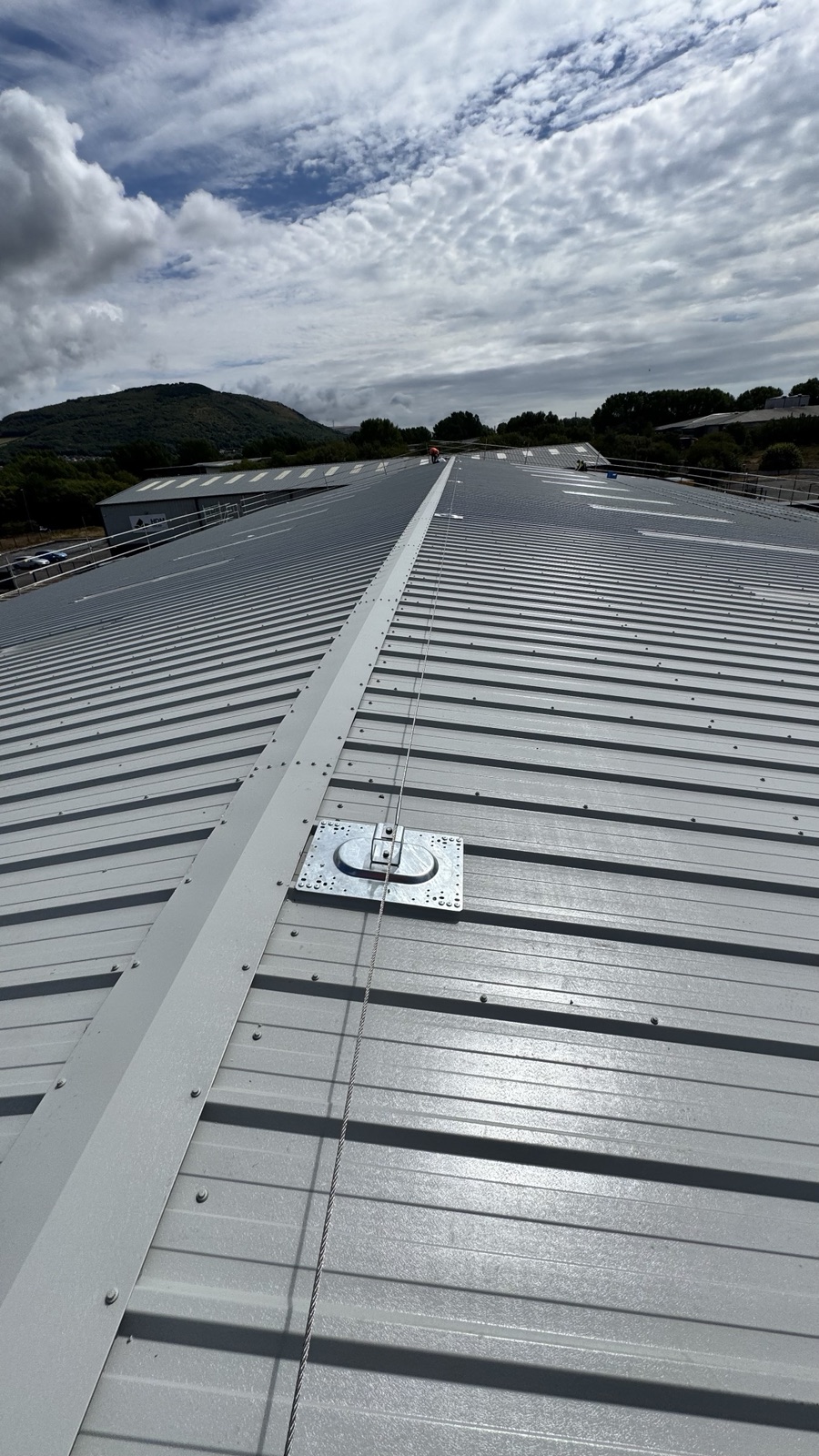
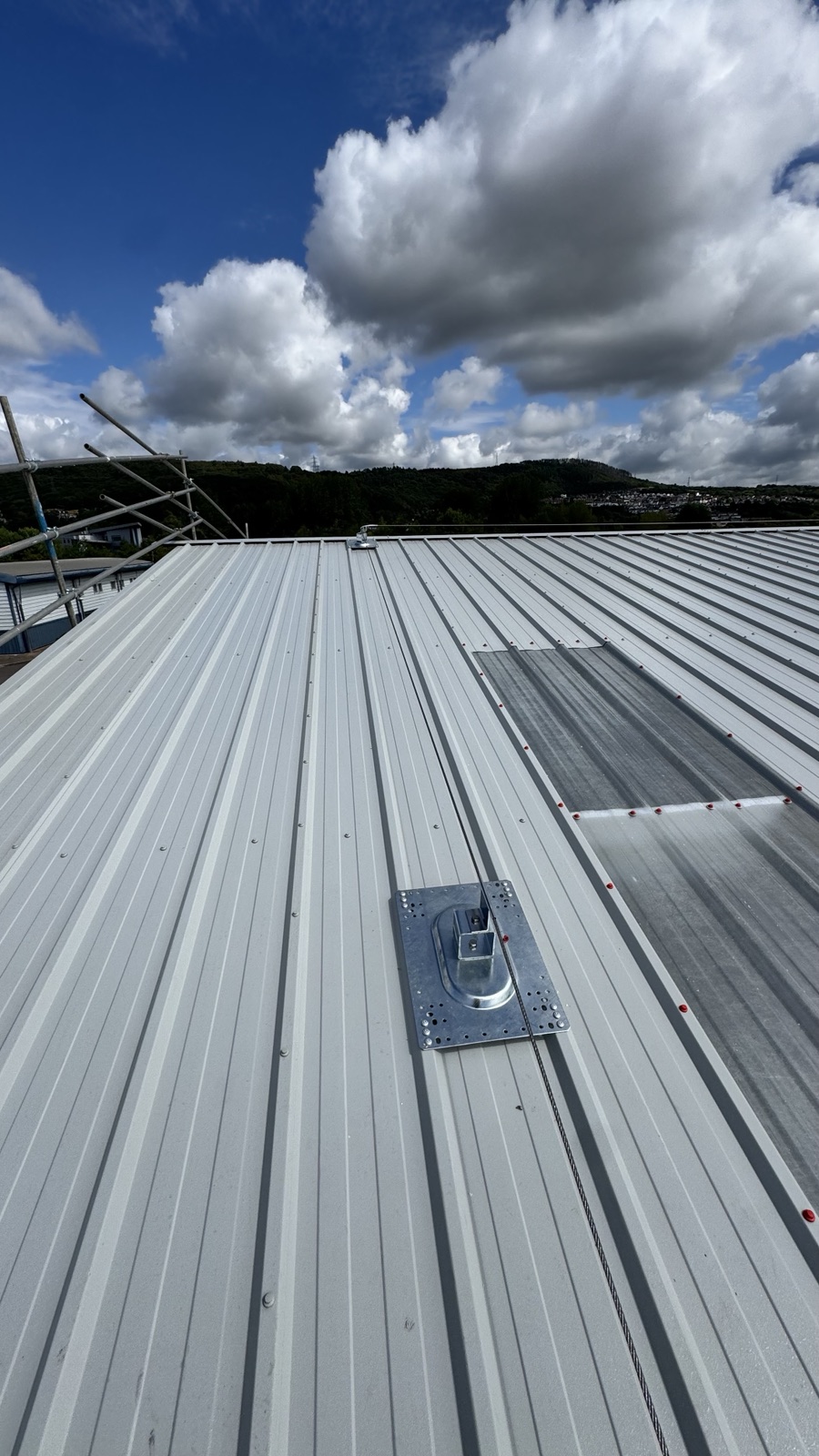
Completed MSA Latchways horizontal lifeline on an industrial metal roof, with anchors, cable and certification records at handover.
KeeLine rivet-fix system
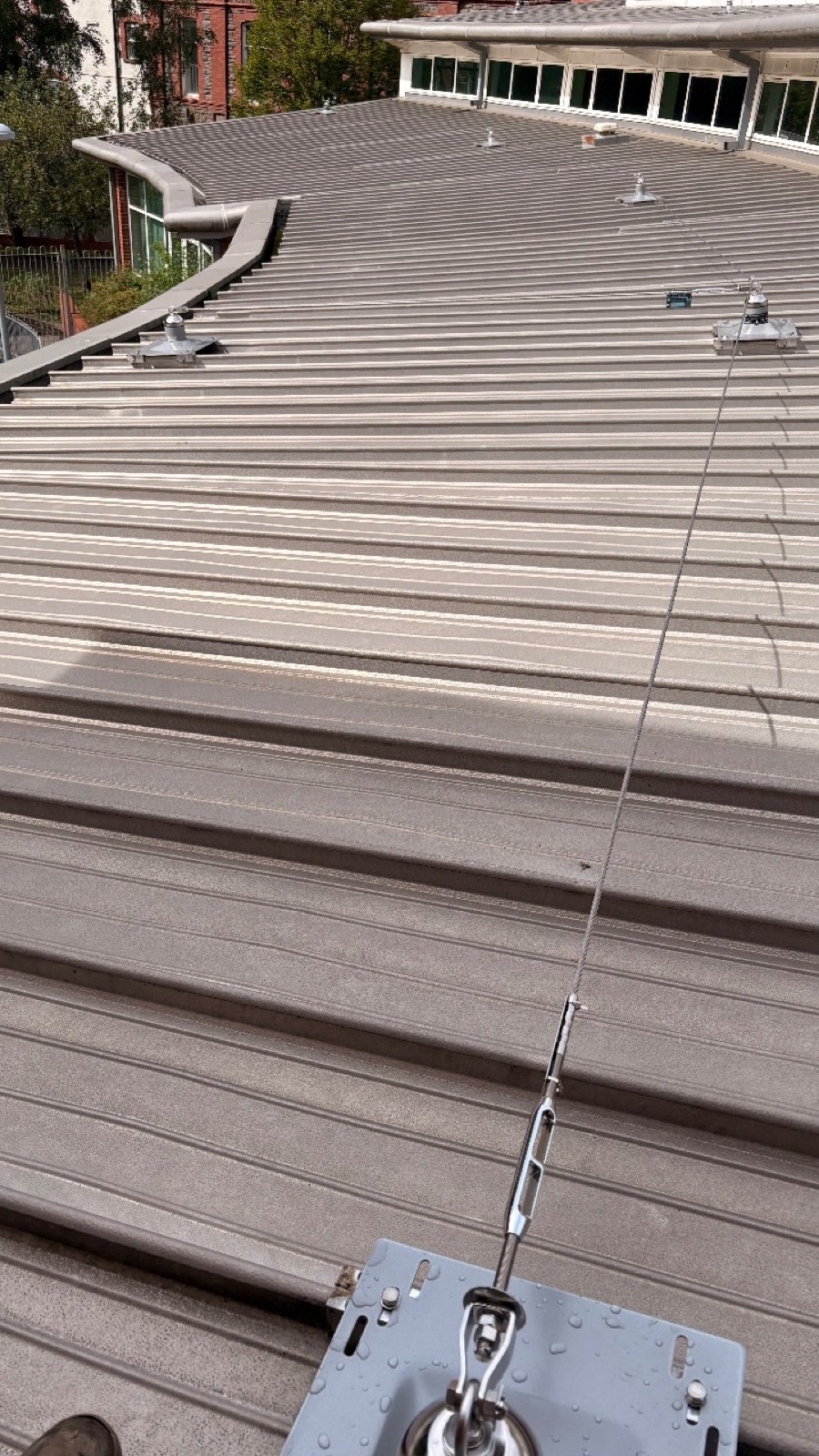
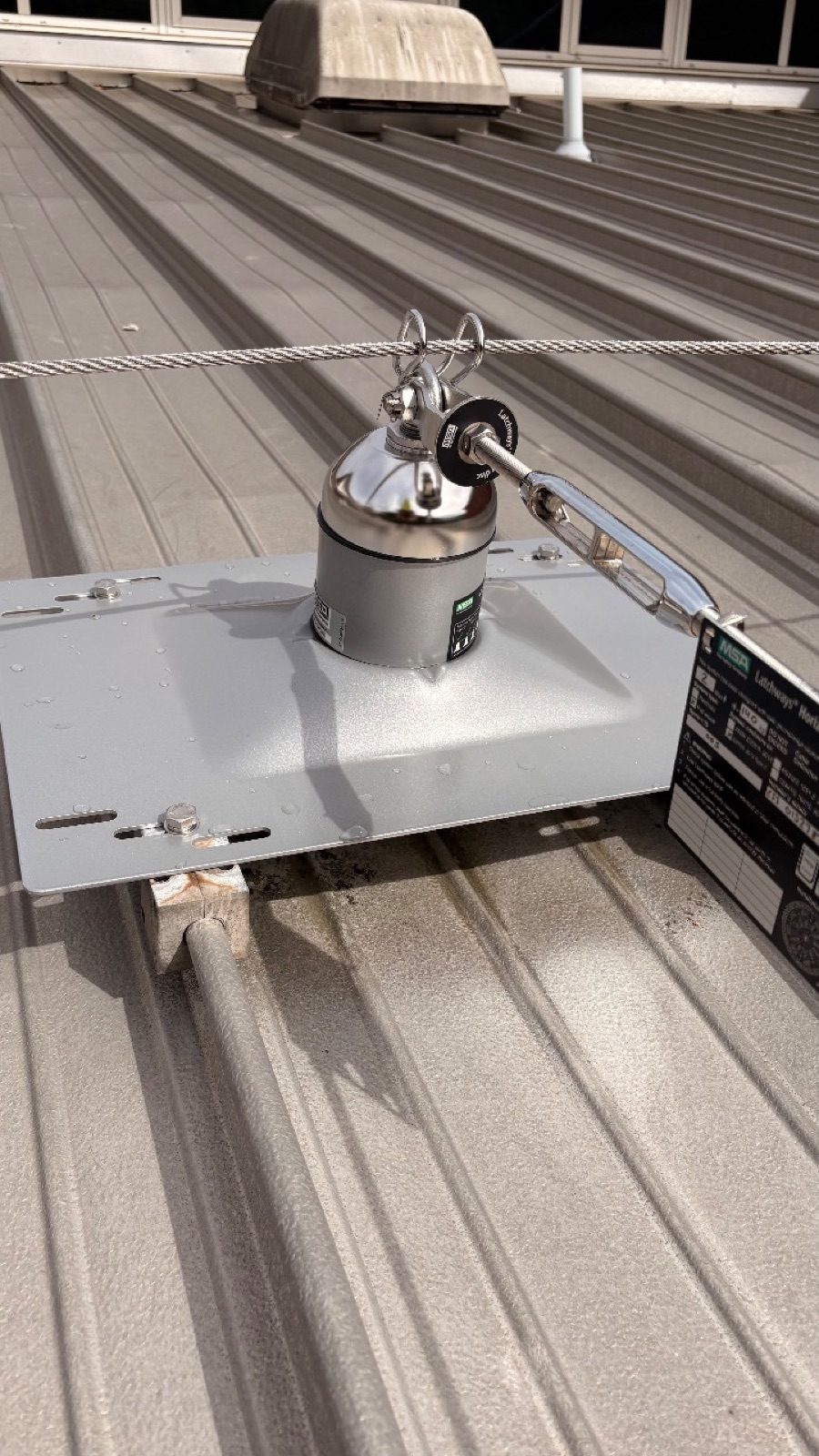
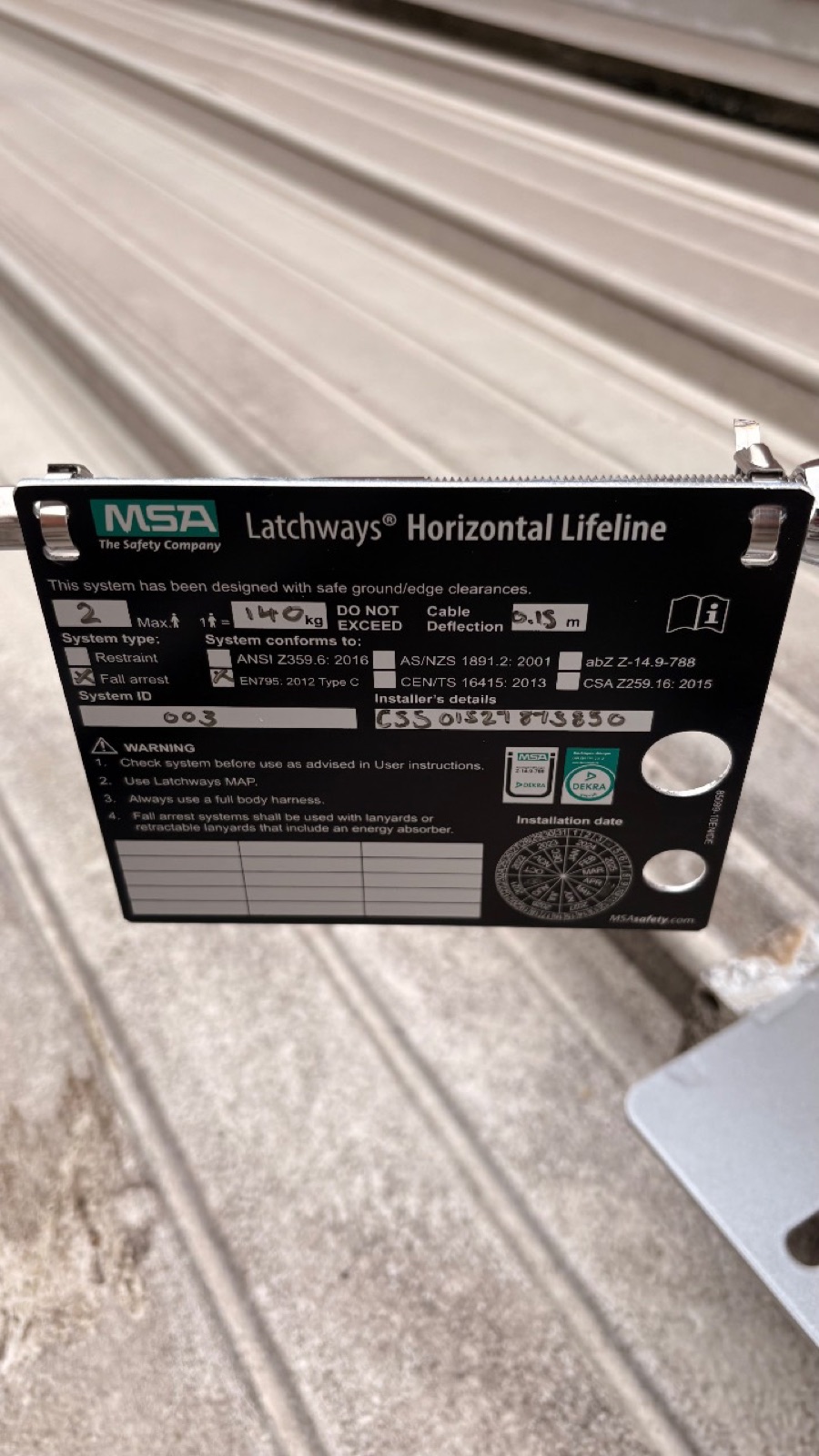
KeeLine horizontal lifeline installed with rivet-fix anchors along a metal roof, giving a continuous fall-arrest route for roof access.
Certified fall arrest for UK rooftops and plant
Working at height remains one of the highest-risk activities on UK construction and facilities sites. A correctly specified lifeline system is often the difference between a controlled maintenance visit and a reportable incident. Power Comms Structures installs permanent cable and rigid-rail lifelines for principal contractors, building owners and facilities teams who need a dependable, inspectable fall-arrest solution.
We install systems on industrial roofs, plant decks, tank tops and service walkways. Each job is planned around the structure, the access route and the work that will actually be done at height — not a generic catalogue layout. Installations are supplied with system drawings, anchor records and load-test certification so your CDM file and insurance records stay complete.
Horizontal and vertical systems
Horizontal lifelines provide continuous attachment along a roof or walkway, so operatives can move between plant without unclipping. Vertical systems protect ladder and mast access, using cable or rigid rail with a matching traveller. Where the structure allows, we coordinate end anchors, intermediates and corners so the system stays usable in real weather and real work, not just on a drawing.
We work alongside your designer or manufacturer specification and can support surveys, installation, testing and handover. If an existing system is in place, we can inspect, recertify or replace worn components rather than forcing a full rip-and-replace.
Compliance, testing and records
Fall protection only works if it is installed to the specified detail and kept in a certifiable condition. A cable system is line-tested at the terminal end and again at the tensioner end: the specified load is applied, held for a timed period, and recorded as a trace with a pass or fail. We provide that testing, as-built information and a clear handover so facilities teams know what they have, where the anchors are, and when the next inspection is due. Annual recertification support is available for clients who want one contractor accountable for the system over its life.
On 3 October 2026 we line-tested an overhead lifeline at Hams Hall. The terminal end reached 20.1 kN and the tensioner end 20.3 kN, each held for three minutes against a 19.0 kN target. Both ends passed. The load traces, photographs and tester calibration are on the pull testing page.
Where the brief is a davit, a structural fixing or a safety eyebolt rather than a cable system, we also carry out davit testing, pull testing and eyebolt work, each with its own certificate.
Typical clients include principal contractors on commercial and industrial schemes, telecoms infrastructure owners, and facilities managers responsible for rooftop plant. If you are tendering a live programme, send the drawings and we will confirm method, access and lead time promptly.
Typical scope
- Horizontal cable lifelines
- Vertical cable and rigid rail systems
- Roof, plant and tank-top installations
- Anchor point design and installation
- Load testing and certification
- System drawings and as-built records
- Annual recertification support
Questions about this work
Which lifeline systems do you install?
Horizontal cable lifelines and vertical cable or rigid-rail systems, including Latchway and KeeLine, on roofs, plant decks, tank tops and service walkways. Existing systems can be inspected, recertified or repaired.
How do you test a cable lifeline?
The cable is line-tested at the terminal end and again at the tensioner end. The specified load is applied, held for a timed period, and recorded as a trace with a pass or fail. On 3 October 2026 an overhead lifeline at Hams Hall passed at both ends against a 19.0 kN target.
Do you recertify lifelines you did not install?
Yes. If a system is already in place we can inspect, recertify or replace worn components, and provide the test record for the CDM or insurance file.